
...
Home
About E3 Displays ▾
All Products ▾
Solutions ▾
Industries We Serve ▾
Resources ▾
Contact Us ▾
🎯 Build Your Display Contact Us
DESIGN SERVICES

Custom Display Designs & LCD Design Services

Displays

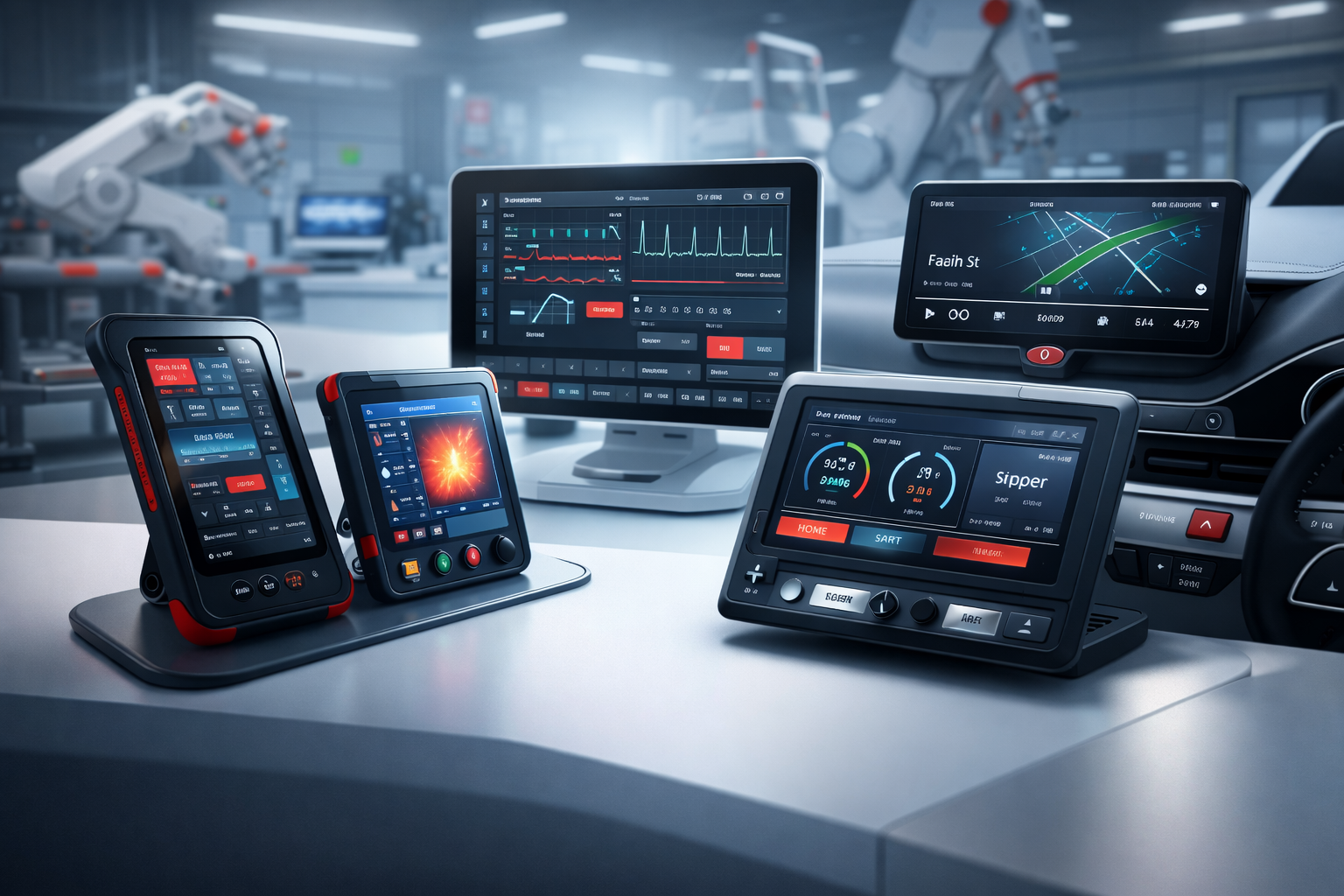
A custom display is built around your product — not the other way around. Off-the-shelf LCDs force you to redesign your enclosure, mounting, and interface to fit whatever size and shape happens to be in stock. Custom display design flips that: E3 Displays engineers the screen itself — its size, brightness, viewing angle, touch response, and environmental durability — around the application you’ve already committed to.

That distinction matters most when the display isn’t just a screen but a mission-critical part of the product: a cockpit instrument that has to stay legible in direct sunlight, a medical device display that can’t fail mid-procedure, or an outdoor kiosk that has to survive a Phoenix summer. E3 Displays stays engaged with that kind of project from the first conversation through delivery — whether you’re starting from a blank sheet or bringing us an existing LCD that needs to work in a new application.

Identify, Design, Develop, Enhance, and Manufacture

Here’s what that looks like end to end:
Identify

We start with a working conversation, not a form: what the display needs to show, where it’ll live, how bright the room gets, whether it has to survive being touched with a gloved hand in the cold. That conversation becomes the formal requirements the rest of the project is built on.

Design

Our engineers translate those requirements into CAD drawings, a formal specification, and a Bill of Materials (BOM), so every stakeholder — yours and ours — is working from the same source of truth.

Develop

We build proof-of-concept kits, samples, or development prototypes so you can validate fit, form, and function before committing to tooling or volume production.

Enhance

Where needed, we layer in optical bonding, EMI shielding, anti-reflective film, or touch integration — the kind of additions that keep a display readable next to a sunlit window or stable next to a running motor, not just checked off a spec sheet.

Manufacture

Once the design is validated, we move into full-scale, quality-controlled production and manage logistics through to delivery.

All of E3 Display’s departments work together on the electrical, mechanical, production and logistical segments of your design to develop a beautiful end product. We do this by providing proof of concept kits, samples, or development prototype kits upon request. In any project that you decide to take us up our services, rest assured you will be in on its design details from the conception of the first blueprint, to the very first model, all the way through its distribution.
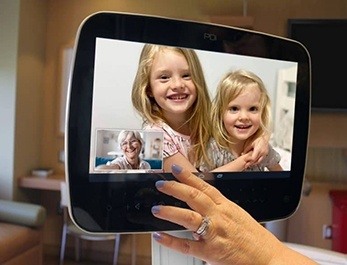
Telehealth Blog Small

What Custom Display Design Services Include:
Feature

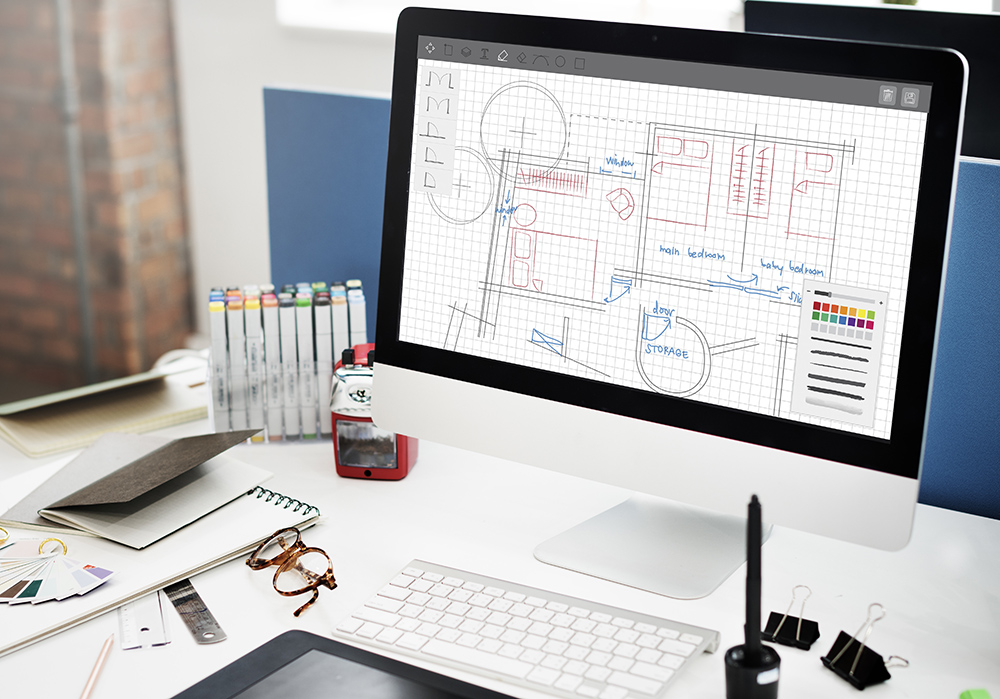
CAD (computer aid-design) Drawings

Detailed mechanical and electrical drawings that define the display’s dimensions, mounting, connectors, and tolerances before a single part is built.
Defination

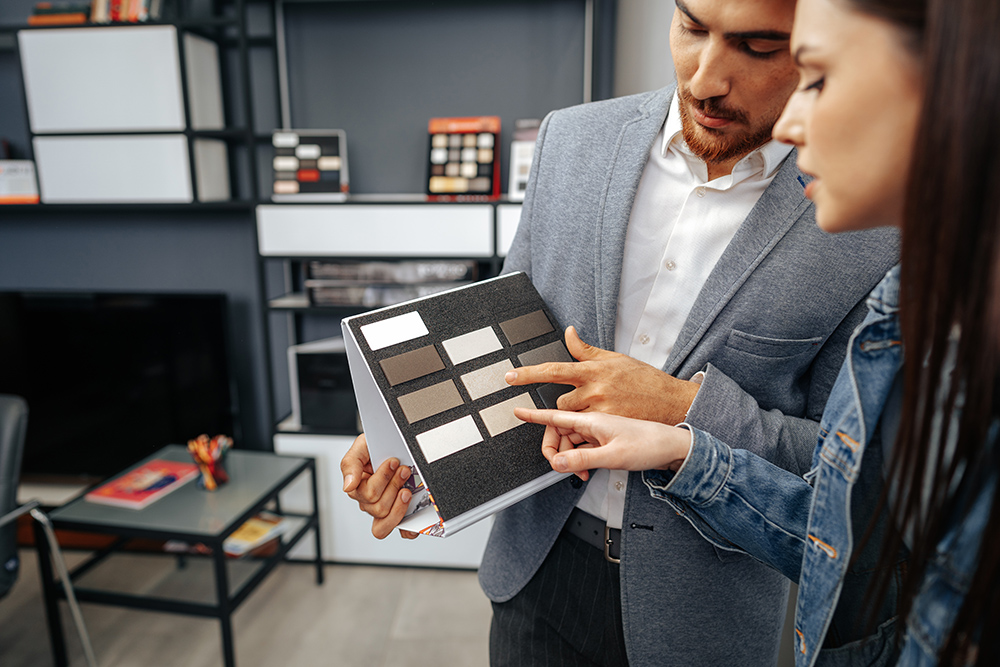
Specification Definition

A written technical specification covering optical performance, environmental ratings, touch requirements, and compliance targets, so design intent is never lost between engineering, procurement, and production.
Bill

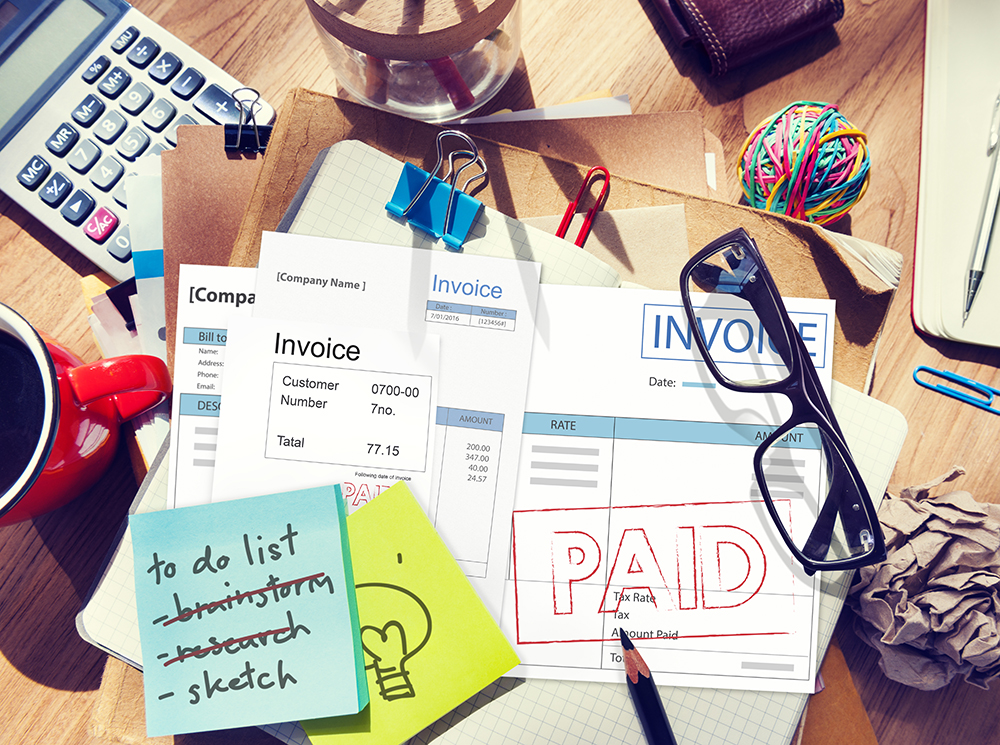
Creating BOM (Bill of Materials)

A complete parts list — glass, backlight, driver board, touch sensor, cover lens, and more — used for sourcing, costing, and long-term supply chain planning.
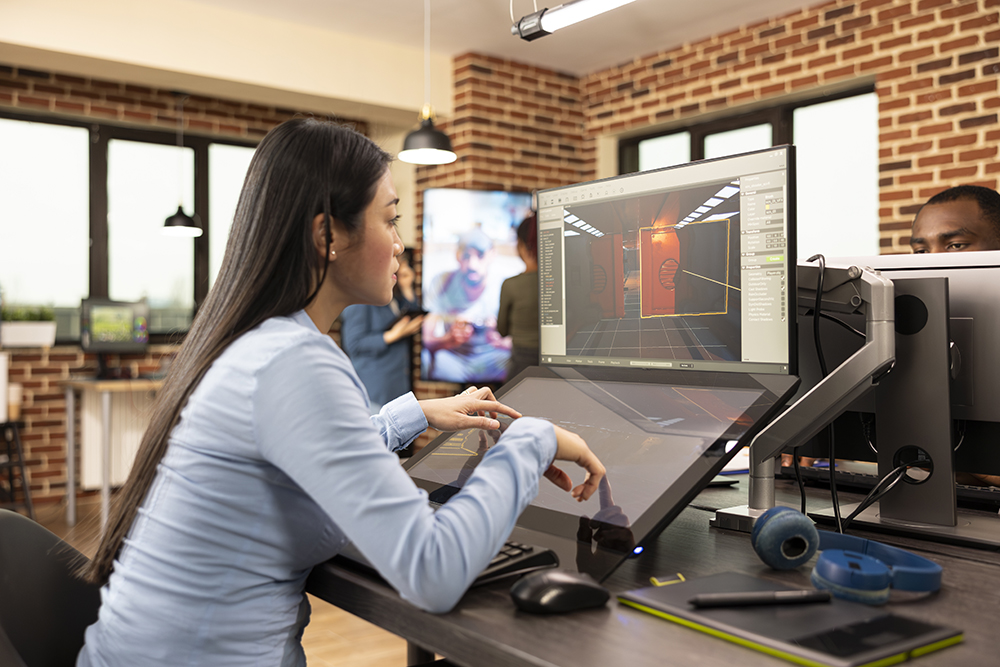
Prototy

Prototyping

Working samples and development kits you can test in your own application before locking in a design for volume manufacturing.

Design for Manufacturability (DFM) Review Every design is reviewed for producibility and cost before it moves to prototyping, so problems get caught on paper instead of on the production line.

Electrical & Mechanical Engineering Support In-house electrical and mechanical engineers work alongside your team on driver boards, connectors, and enclosure integration.

Design Validation Testing (DVT) Before a display ships, prototypes go through the conditions it’ll actually face in the field — temperature cycling, drop and vibration testing, and brightness or contrast checks under real lighting, not just a spec-sheet review.

Custom Display Design vs. Off-the-Shelf Displays

Not every project needs a fully custom build — but most projects with unique size, environment, or performance requirements outgrow standard displays quickly. Here’s how the two compare:

Off-the-Shelf Display Custom Display Design
Sizing & shape Fixed, limited options Built to your exact dimensions and aspect ratio
Environmental performance Standard temperature/brightness range Engineered for sunlight readability, wide temperature range, or ruggedized use
Touch & optical enhancements Rarely available or bolted on Optical bonding, EMI shielding, and film lamination built into the design
Lifecycle & sourcing Subject to sudden discontinuation Managed BOM and long-term supply planning
Compliance (medical, military, avionics) Often unverified Engineered and tested to meet program-specific standards
Best for Low-risk, short-lifecycle consumer projects Medical, military, avionics, industrial, and any product where the display is mission-critical

Why Choose E3 Displays for Custom Display Design Engineering

E3 Displays has been engineering and manufacturing custom flat-panel display systems since 2001.
We've also delivered on programs where failure wasn't an option — including a multi-million-dollar contract to supply 50,000 integrated, optical-bonded displays to a U.S. military supplier — and we support ITAR-clean, MIL-STD-qualified programs across avionics, defense, medical, industrial, marine, and consumer electronics. That's the same standard we bring to every project, not just the ones with a government contract number attached: design, prototyping, testing, and manufacturing all happen under one roof, so you're managing one engineering team instead of coordinating between three vendors.

Know exactly what you need? Our engineers can start from your spec today. Still working out what's possible? That's a normal place to start too. Talk to an E3 Engineer, or run through our product selection guide to narrow down the right display technology first.
OUR DISPLAY EXPERTS

A Team Committed to Meeting Your Unique Display Needs

We are united by our shared passion for driving innovative solutions in display technology. Our diverse perspectives empower us to solve challenges and discover new opportunities.

Adam Pic 1
Adam Hofmann
Vice President of Engineering
FAQ
Frequently Asked Questions

How long does custom display design take?

There's no single timeline. A display that reuses an existing panel with a new bezel moves through prototyping much faster than one that needs new touch integration or MIL-STD qualification testing. Because the range is wide, the fastest way to get a real answer is to walk one of our engineers through your requirements early — a timeline estimate is part of that first conversation.

How much does custom display design cost?

Cost depends on display size and technology (TFT, OLED, touch), any enhancements like optical bonding or EMI shielding, testing and certification requirements, and production volume — a ruggedized, MIL-STD-qualified display is priced very differently than a simple consumer-grade replacement. Because of that range, E3 Displays quotes after an initial requirements conversation rather than publishing a flat rate.

What industries use custom display design services?

Custom display design shows up most in medical devices, military and defense systems, avionics, industrial equipment, marine electronics, digital signage, and gaming — industries where a standard display can't meet the size, durability, or compliance bar the application demands.

What do I need to provide to get started on a custom display design project?

You don't need a finished spec to start. A rough sketch, a target size and viewing environment, or even "we have this enclosure and need a screen that fits" is enough for an initial conversation. From there, our engineers help turn that starting point into formal requirements, CAD drawings, and a BOM.

What happens if a prototype doesn't perform the way we expected?

That's exactly what prototyping is for — catching it early. If a proof-of-concept or development sample falls short, whether that's a brightness issue, a touch-response problem, or a mechanical fit issue, our engineers revise the design and iterate before you're locked into production tooling costs.

Can a custom display include touch, optical bonding, or EMI shielding?

Yes, and these are typically designed in from the start rather than added afterward. A display headed for an outdoor kiosk might need optical bonding and anti-glare film to stay readable in direct sun; one going into an industrial panel near motors or high-voltage equipment might need EMI shielding to avoid picking up electrical noise. Tell us the environment, and we'll tell you what it needs.

    Which of the following best describes you?

    Please describe your current project situation

    What is most important for you?

    Select all that apply

    You're all set!

    Tell us about yourself and we'll reach out with tailored solution options.